

RECENT POSTS

29.September.2026
Chainless Bicycles: How Shaft and Belt Drives Work, Their History and Prices in India
0 Comments


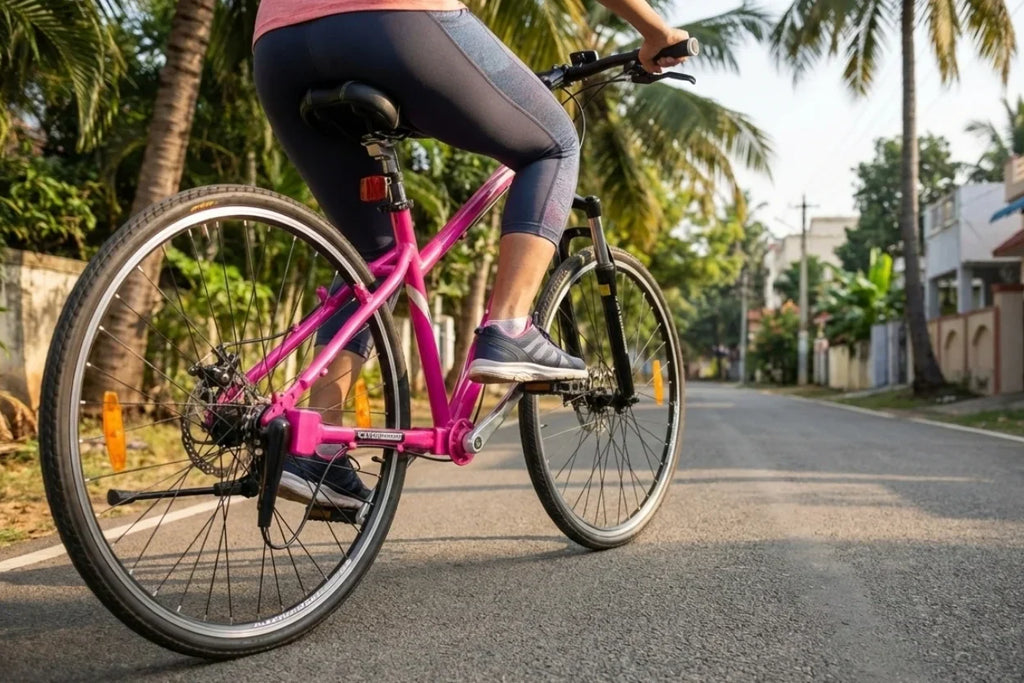
Cycling Is Good for the Environment
The need for green means of transport has become a necessity that can hardly be ignored in a world where climate change, air pollution, and environmental sustainability dominate global discussions. Among the many alternatives available, cycling is one of the cleanest and most feasible modes of transportation, making it an ideal choice for both city and rural travel.
Unlike motorized vehicles that depend on fossil fuels, cycling is fully human-powered. Simply riding a bike instead of driving for short trips can create a measurable positive impact. This is one of the key reasons why cycling is good for the environment and why more people are choosing bicycles as part of a sustainable lifestyle.
Why Is Cycling Good for the Environment?
Cycling is a low-impact and eco-friendly mode of transportation that plays a major role in environmental conservation. From cutting down emissions to protecting natural resources, the environmental benefits of cycling go far beyond personal fitness.
Below are the key reasons why cycling is good for the environment and how it supports a healthier planet.
Reduction of Carbon Emissions
Unlike motorized vehicles that emit harmful greenhouse gases, cycling produces zero emissions. Cars, bikes, and scooters running on fossil fuels release pollutants such as carbon dioxide (CO₂), nitrogen oxides, and particulate matter, which are major contributors to global warming.
By biking instead of driving for short distances, commuting to work, or running nearby errands, individuals can significantly lower their carbon footprint. Research shows that replacing short car trips with cycling can drastically cut CO₂ emissions, clearly explaining how cycling reduces pollution and why riding a bike is good for the environment.
Reduced Air Pollution

How does cycling reduce air pollution?
Cycling helps in preventing air pollution by eliminating exhaust emissions completely. While fuel-burning vehicles release smoke and toxic gases into the atmosphere, bicycles do not pollute the air in any form.
When more people choose riding a bike instead of driving:
-
The amount of pollutants released into the air decreases
-
Local air quality improves
-
Pollution-related respiratory problems reduce
This clearly explains how cycling helps the environment, especially in cities where traffic congestion is the main cause of poor air quality.
Reduced Noise Pollution
Cycling is a silent form of transport and therefore plays a crucial role in reducing noise pollution. Engine sounds, honking, and traffic jams create constant noise that affects both human health and wildlife.
By choosing bicycles:
-
Streets become quieter
-
Urban stress levels decrease
-
Wildlife experiences less disturbance
These are often overlooked but important cycling benefits for the environment.
Green Space Conservation & Better Land Use
Cycling promotes the use of existing infrastructure while reducing the need for wider roads, flyovers, and large parking spaces. Cars require extensive land for movement and parking, often at the cost of green areas.
With cycling:
-
Infrastructure needs less land
-
Parks, trees, and open spaces are preserved
-
Urban sprawl is reduced
This supports biodiversity and strengthens sustainable city planning, adding to the bicycle environmental benefits of cycling.
Less Traffic Congestion & Lower Fuel Consumption
Cycling takes up far less space on the road compared to cars. When people adopt cycling as sustainable transport:
-
Traffic congestion decreases
-
Vehicles spend less time idling
-
Fuel consumption drops
This indirectly reduces emissions from fuel production and refining, reinforcing the environmental benefits of biking and supporting long-term sustainability.
Steed Chainless Cycles – Environmental Benefits
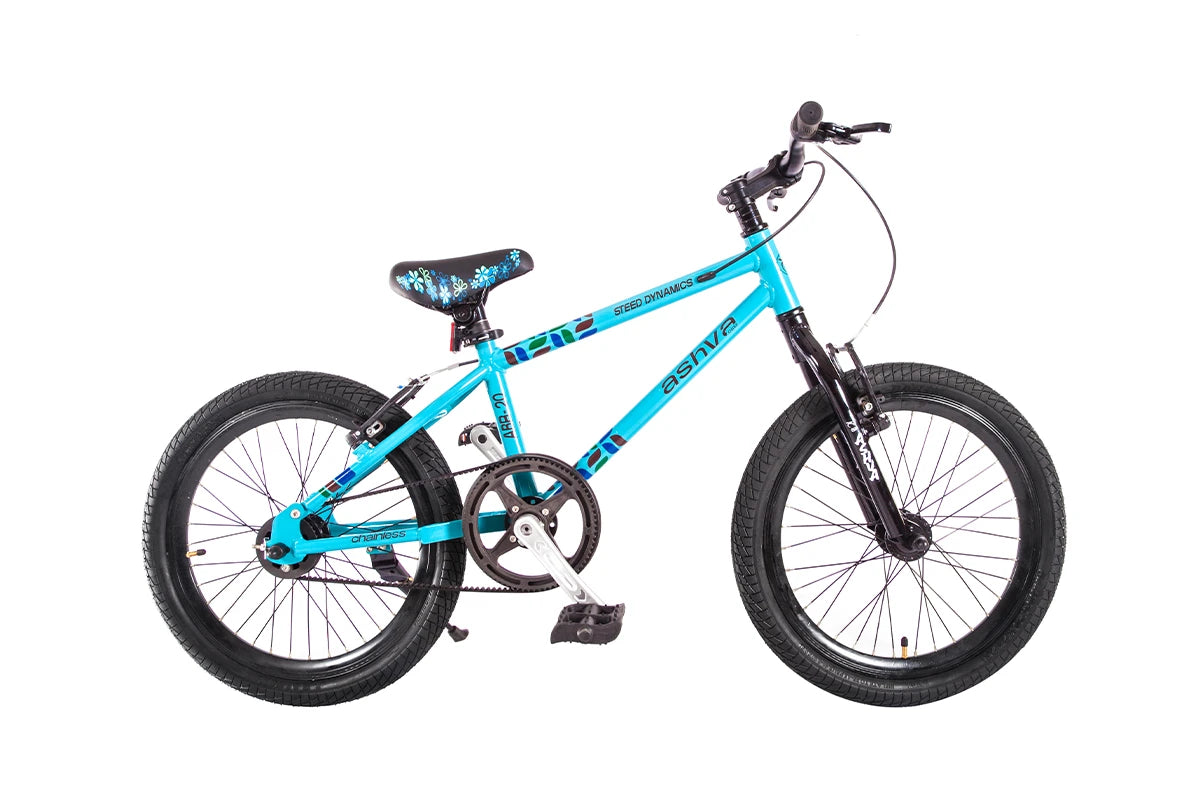
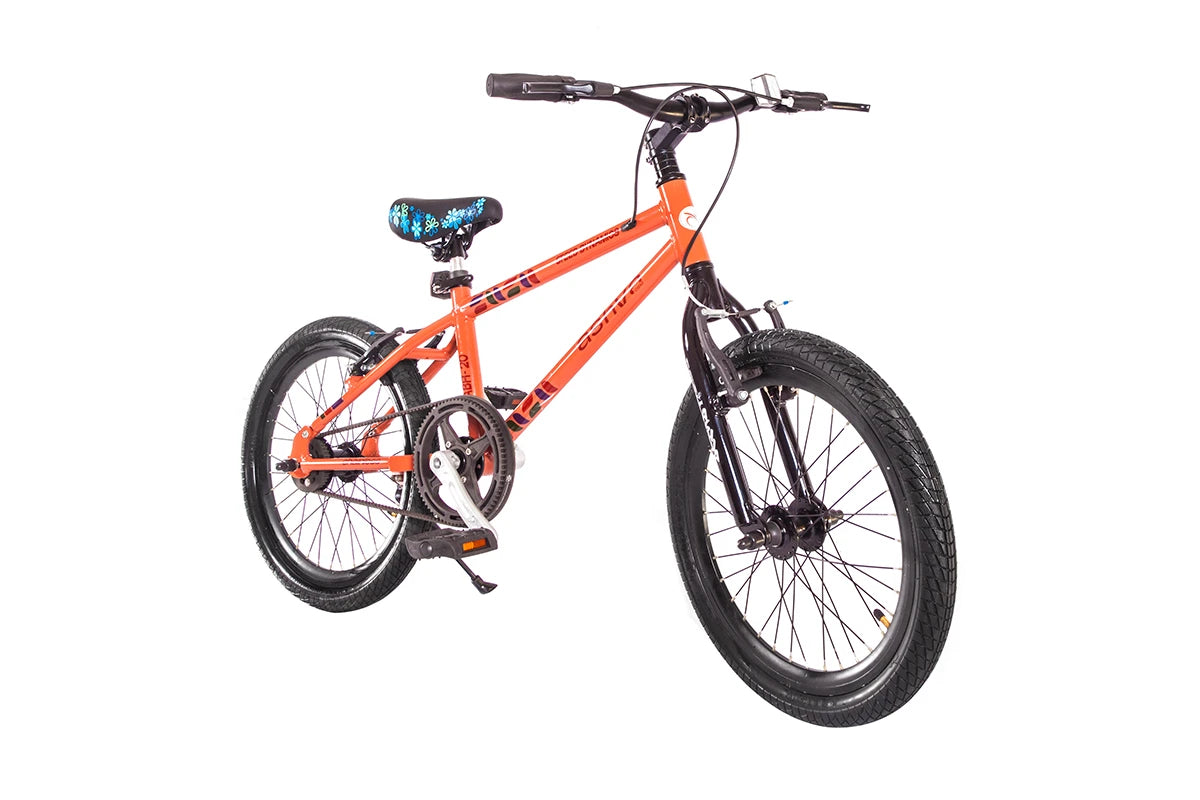
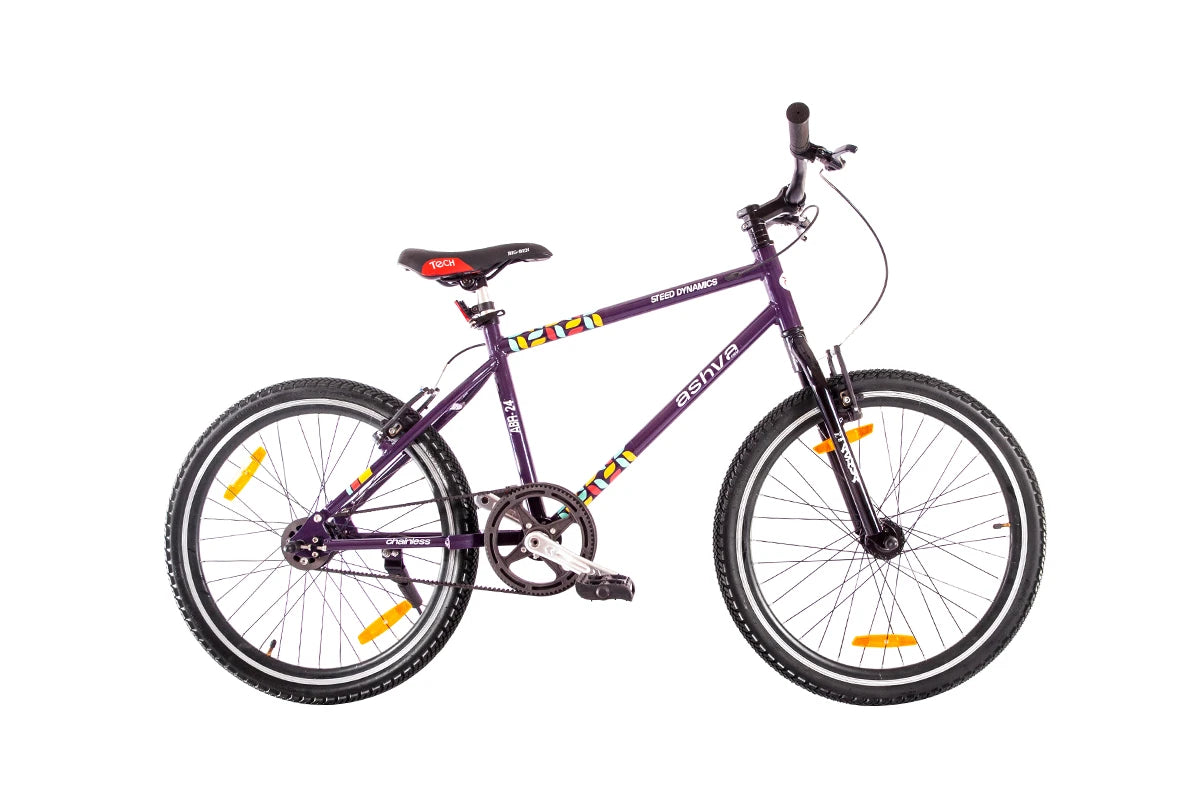
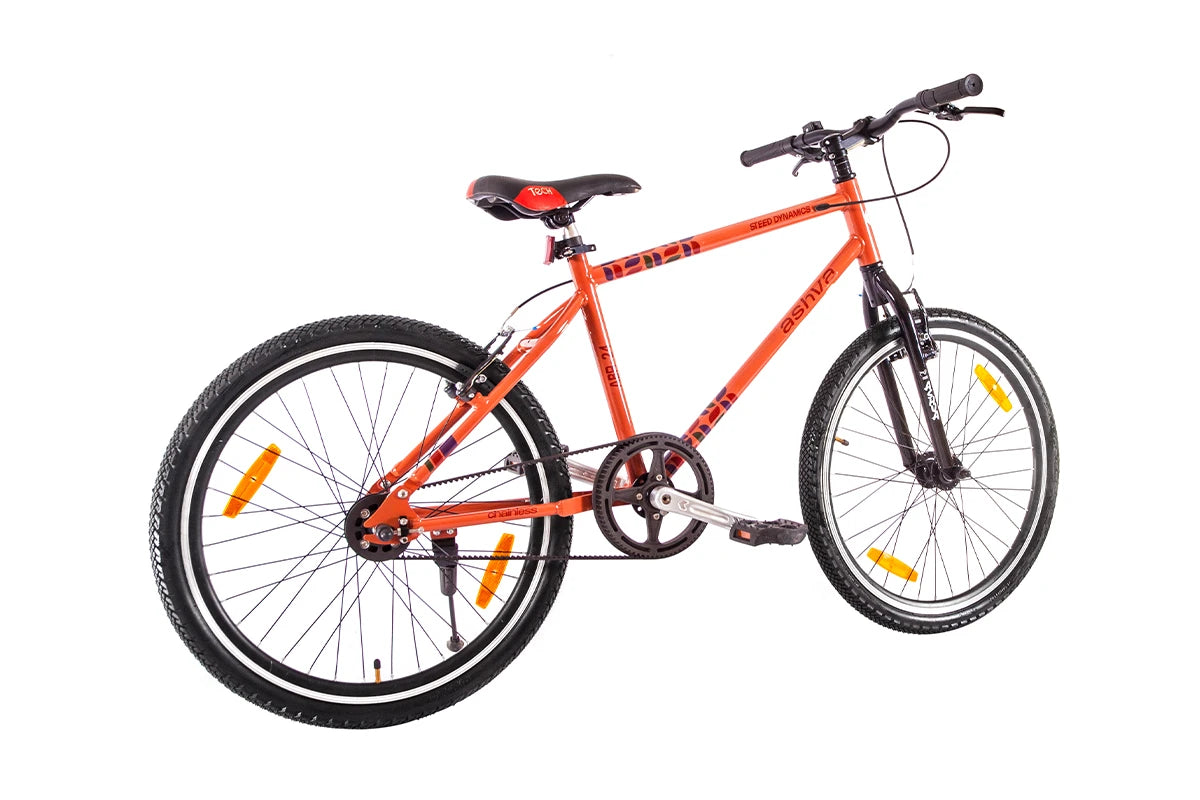
Steed chainless cycles represent a modern innovation in eco-friendly bicycle design, offering additional environmental advantages over traditional bicycles.
Durable & Low-Maintenance
Steed chainless cycles eliminate the need for a conventional chain, reducing maintenance requirements. This minimizes the use of oils, lubricants, and replacement parts that can negatively affect the environment.
Lower maintenance results in:
-
Reduced chemical waste
-
Lower resource consumption
-
Longer product lifespan
Designed for Energy Efficiency
Steed chainless bicycles are engineered to deliver maximum energy efficiency. Their chain-free transmission system ensures that rider effort is smoothly converted into forward motion with minimal energy loss.
This makes Steed cycles:
-
Highly efficient for daily commuting
-
Ideal for environmentally conscious riders
-
A reliable cycling eco-friendly solution
Sustainability & Longevity
Built using durable, high-quality materials, Steed chainless cycles last longer and reduce the need for frequent replacements. This lowers manufacturing demand and associated emissions, strengthening long-term environmental sustainability.
Cycling as a Sustainable Lifestyle Choice
Cycling is not just a mode of transport—it is a lifestyle choice that supports sustainability. The benefits of riding a bike instead of driving a car include:
-
Conservation of natural resources
-
Reduction in pollution
-
Improved public health
-
Development of eco-friendly cities
Cycling also inspires positive behavior change, encouraging families and communities to adopt greener habits.
Cycling to a Greener Future
In a world facing growing environmental challenges, cycling—along with innovations like Steed chainless cycles—offers a practical solution. Choosing bicycles for short trips and daily travel is one of the simplest ways individuals can contribute to environmental protection.
Key bike environmental benefits include:
-
Lower greenhouse gas emissions
-
Cleaner and healthier air
-
Reduced noise pollution
-
Preservation of green spaces
This explains not only why riding a bike is good for the environment, but also why walking or cycling is good for the environment as a whole. Riding a bicycle acts as a green shield against pollution and environmental damage.
Frequently Asked Questions (FAQs)
Why is cycling good for the environment?
Cycling is good for the environment because it produces zero emissions, reduces air and noise pollution, conserves fuel, and requires minimal infrastructure compared to motor vehicles.
How does cycling reduce air pollution?
Cycling reduces air pollution by replacing fuel-powered trips with human-powered travel. Bicycles do not emit harmful gases such as CO₂ or nitrogen oxides.
Cycling helps in preventing air pollution – how?
Cycling helps prevent air pollution by reducing the number of vehicles on the road, lowering exhaust emissions, cutting fuel consumption, and easing traffic congestion.
Is riding a bike instead of driving really eco-friendly?
Yes. Riding a bike instead of driving significantly lowers carbon emissions, reduces fuel dependency, and minimizes environmental impact from vehicle manufacturing and disposal.
What are the benefits of cycling for the environment daily?
Daily cycling reduces carbon footprint, conserves energy, improves air quality, protects green spaces, and supports sustainable urban living.