
RECENT POSTS
29.September.2026
Chainless Bicycles: How Shaft and Belt Drives Work, Their History and Prices in India
0 Comments

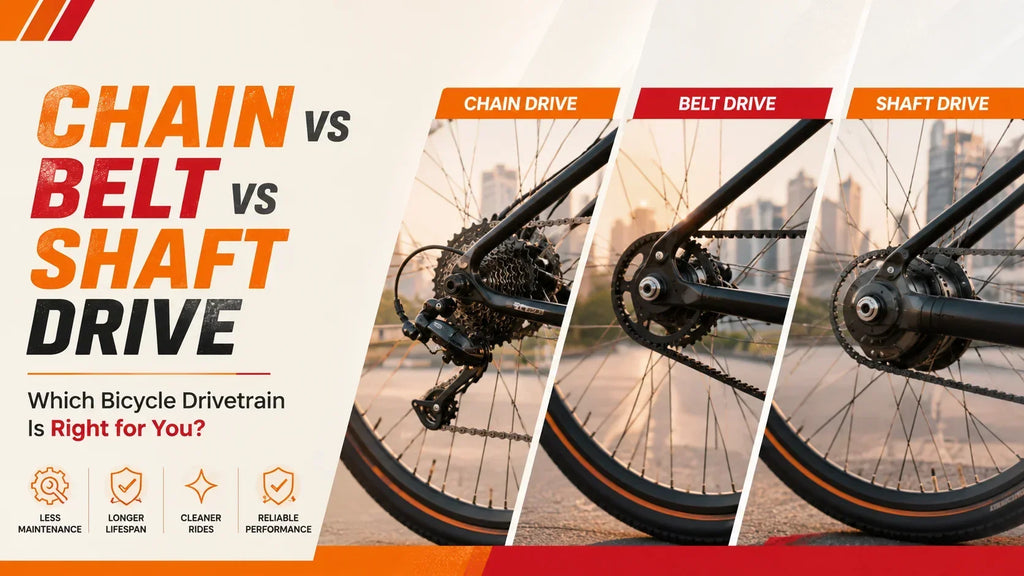
Chain vs Belt vs Shaft Drive: Which Bicycle Drivetrain Is Right for You?
Cycling is becoming a popular choice across India. From daily commuting and fitness to weekend rides and sustainable mobility, more people are choosing bicycles for practical and personal reasons.
But when buying a bicycle, most people focus on the frame, tyres, gears, brakes and design. One important component often gets less attention: the drivetrain.
The drivetrain transfers power from your pedals to the rear wheel. It shapes how much upkeep your bike needs, how clean it stays, how long it lasts and how it feels on the road.
Today, there are three main bicycle drivetrain options to consider: chain drive, belt drive and shaft drive.
This guide breaks down how each system works, where it shines, where it falls short, and which one fits your riding style.
What Is a Bicycle Drive System and Why Does It Matter?
A bicycle drive system converts your pedalling force into forward motion at the rear wheel.
In a traditional setup, this happens through a chain, chainrings, cogs and related components. Newer systems swap the chain for a belt or an enclosed propeller shaft.
The drivetrain you pick affects:
- Maintenance: How often you need cleaning, lubrication or adjustments
- Durability: How many kilometres you get before major replacement
- Cleanliness: Whether grease transfers to your clothes or hands
- Safety: Risk of slippage or contact with moving parts
- Ride feel: Noise levels and overall smoothness
- Ownership cost: Upfront price plus what you spend on upkeep over time
For a first-time buyer, understanding these differences makes it easier to choose a bicycle based on how you'll actually ride it, not just how it looks in the showroom.
Chain Drive: The Traditional Standard
Chain drive has powered bicycles for generations. A metal chain carries power from the front crank to the rear wheel, moving between cogs on geared models to change gear ratios.
What works in its favour:
- Affordable: Chain-drive bicycles span nearly every price point, making them the most accessible option on the market.
- Easy to service: Mechanics across India know chain systems inside out, and replacement parts are everywhere.
- Wide gear range: Chain systems support gearing for flat city commutes, steep climbs, and long rides.
Where it falls short:
Upkeep is the trade-off. A chain needs regular cleaning and lubrication, especially with frequent use or exposure to dust and rain. It can also slip if poorly adjusted, leave grease marks on clothing, and pose a minor pinch risk near moving parts. A common replacement benchmark is around 3,000 km, though this varies with riding conditions and care.
Good fit for: Budget-conscious buyers and recreational riders who don't mind occasional maintenance and have easy access to a bike shop.
Belt Drive: The Low-Fuss Middle Ground
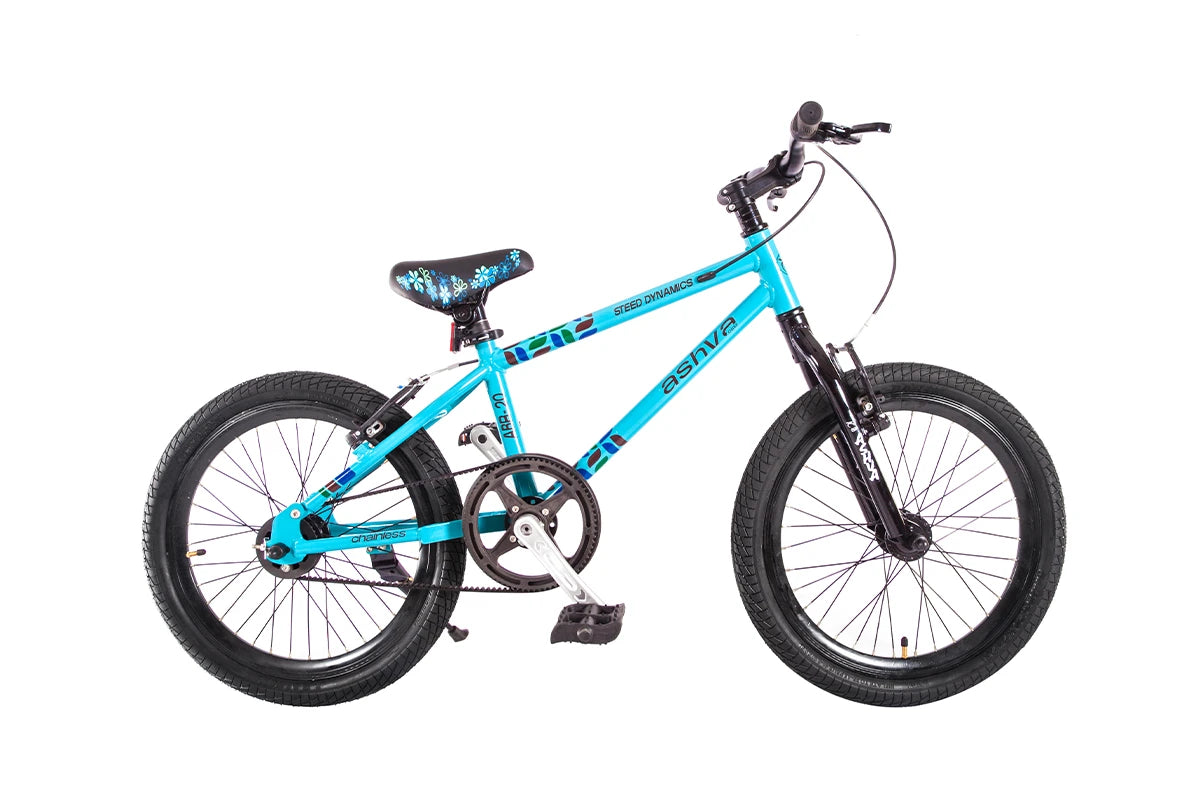
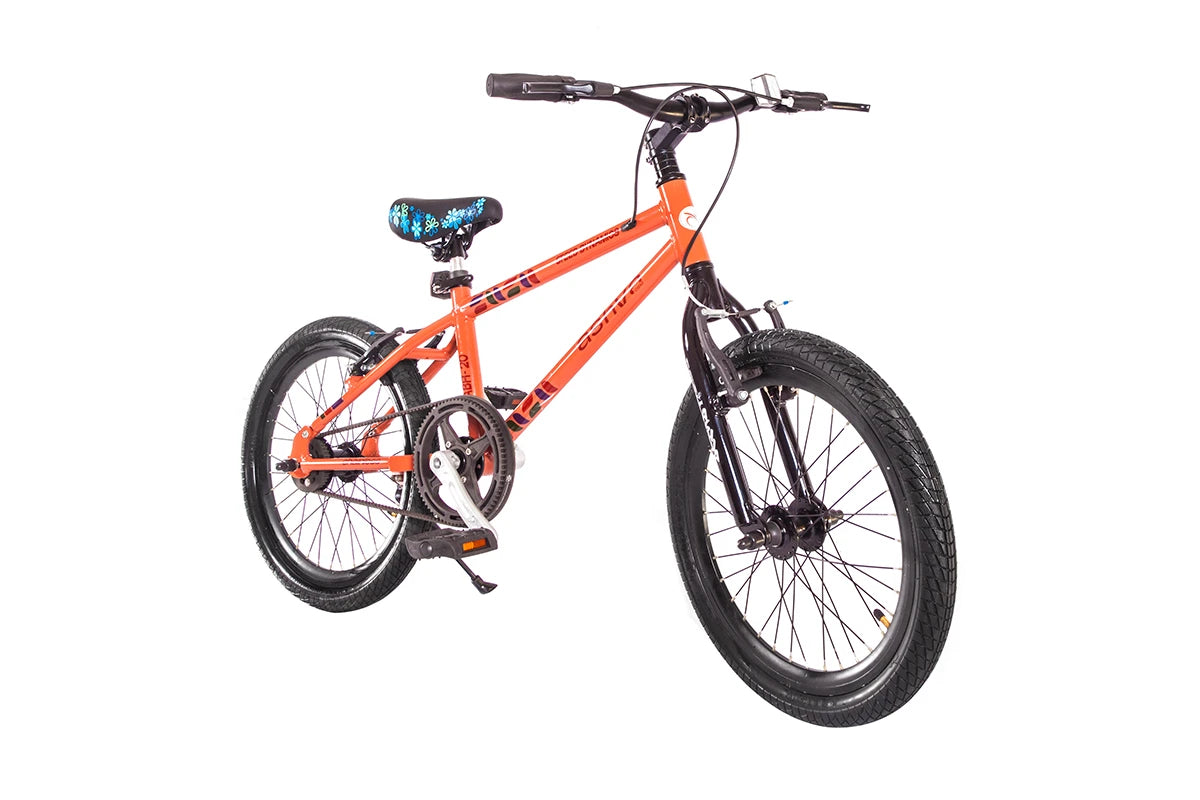
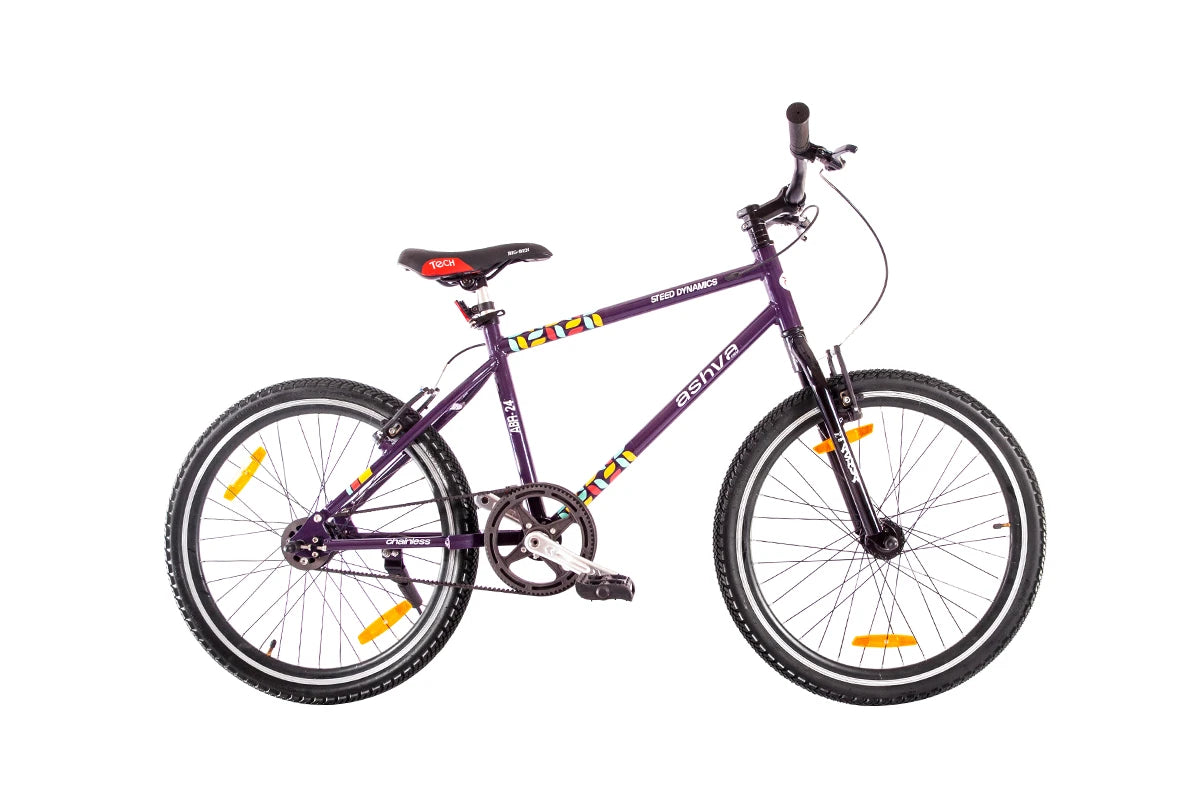
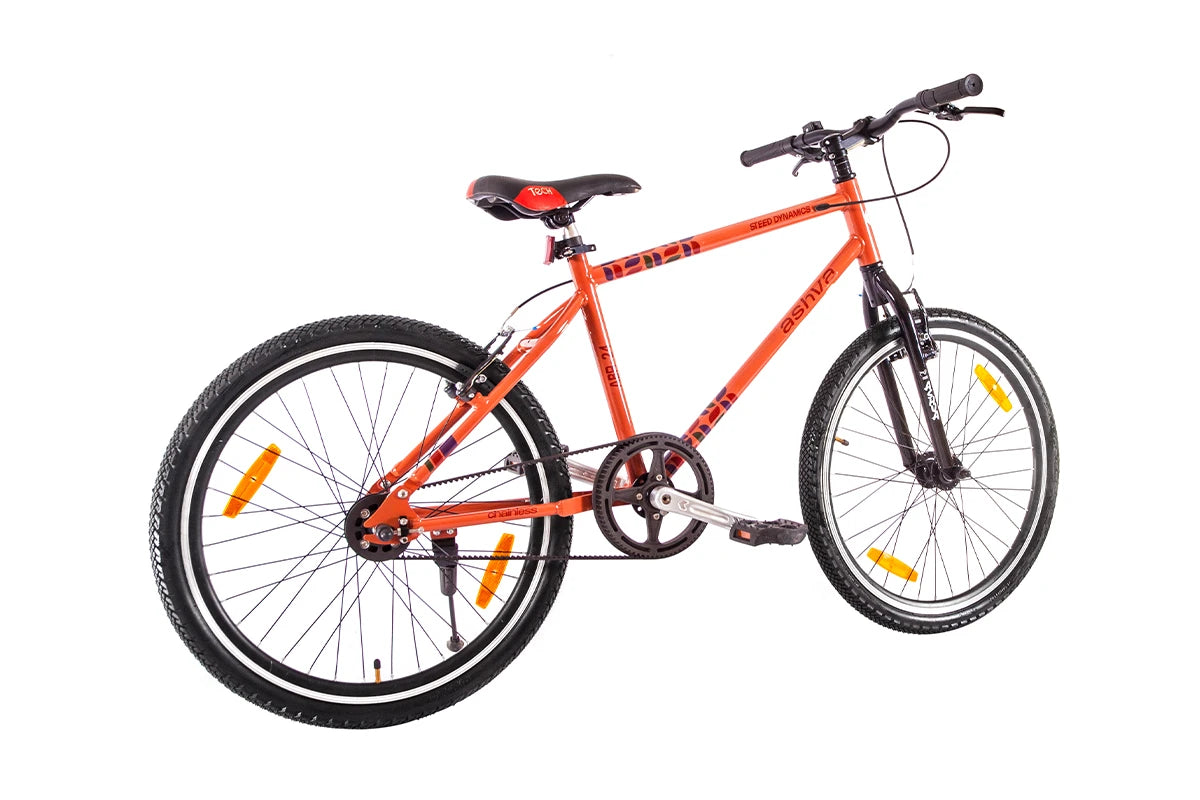
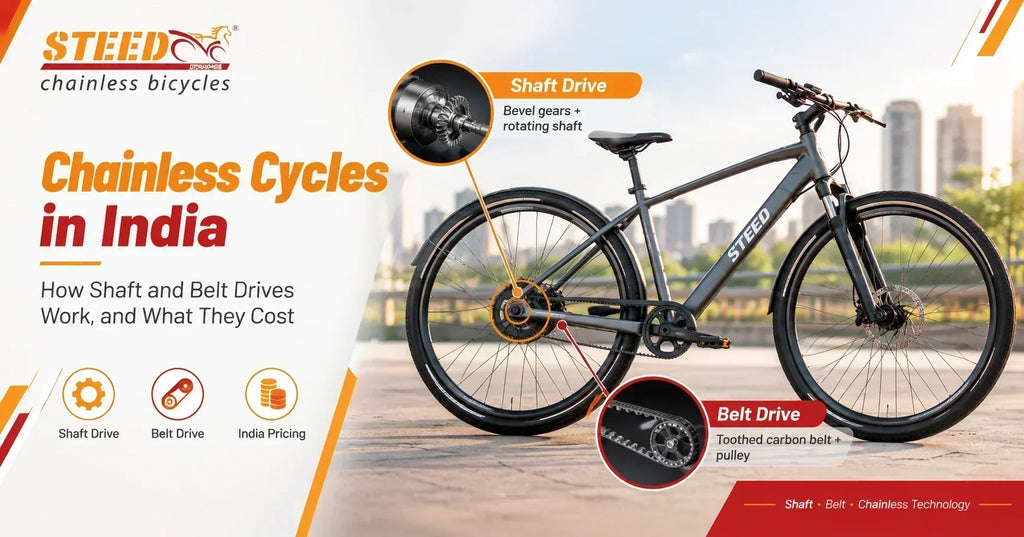
Belt drive replaces the metal chain with a reinforced, toothed belt. This synchronous belt design uses matching teeth on the belt and pulleys, so power transfers without the slip you'd get from a plain smooth belt.
What works in its favour:
- No oiling required: There's no chain to lubricate, so you skip that recurring chore entirely.
- Stays tidy: No grease means commuters can hop off and head straight to work or class without a change of clothes.
- Quiet ride: Belt systems run smoother and noticeably quieter than a chain.
- Lighter build: You get most of the convenience of chainless riding without the added weight of a shaft mechanism.
Where it falls short:
Gear range can be more limited on some belt-drive frames, and the belt still wears out over time, typically around 5,000 km depending on use. Belt systems also need a compatible frame, so they're harder to retrofit or modify than a standard chain setup.
Good fit for: Urban commuters and fitness riders who want a cleaner, quieter bike without stepping up to a full shaft-drive system.
Shaft Drive: The Chainless Innovation
Shaft drive takes the chainless idea further. Instead of a chain or belt, an enclosed propeller shaft carries power from the pedals to the rear wheel, sealed away from dust, grit and rain.
Steed has built its shaft-drive bicycles around this concept, positioning it as a long-term alternative to conventional chain bikes in India.
What works in its favour:
- Built to last: Steed's shaft-drive system is engineered for up to 15,000 km of use, roughly five times a typical chain's lifespan, depending on riding conditions.
- No slipping or derailing: With no exposed chain, there's nothing to jump off the cogs mid-ride.
- Hands-off upkeep: The enclosed design needs far less routine attention than an open chain or belt.
- Sleek look: Fewer visible moving parts give the bike a streamlined, modern profile.
- Engineering-backed: Steed's chainless range goes through frame analysis and ISO 4210 testing during development.
Where it falls short:
The main trade-offs are price and weight. Shaft-drive bikes generally cost more upfront than chain models, and the mechanism adds a bit of heft. For someone riding daily over several years, though, the lower maintenance and longer service life can offset that initial cost.
Good fit for: Daily commuters and long-term owners who value durability, cleanliness and minimal drivetrain fuss over the lowest possible sticker price.
Chain vs Belt vs Shaft Drive: At a Glance

Making the Call: Which Drivetrain Fits Your Ride?
There's no single "best" drivetrain for every cyclist. The right pick comes down to how often you ride, where you ride, and how much wrench time you're willing to put in.
- Pick chain drive if budget is the priority, you're comfortable with occasional cleaning and lubrication, and you have a repair shop nearby.
- Pick belt drive if you commute regularly, want a quieter and cleaner ride, and prefer less routine care without paying for a full shaft system.
- Pick shaft drive if you ride daily, think of your bicycle as a multi-year investment, and want maximum durability with the least amount of hands-on upkeep.
Why Steed's Chainless Range Stands Out
Steed builds chainless bicycles for riders who want an alternative to the conventional chain, without settling for a compromise on ride quality.
The lineup includes Ashva belt-drive bicycles for those who want lower maintenance and a quieter commute, and shaft-drive bicycles for riders who want the longest possible drivetrain life. Between the two, most riders will find a match for how they actually use their bike day-to-day.
Every model in the range is developed with engineering rigour in mind, including FEA-tested frames and ISO 4210 compliance testing, so durability claims are backed by real validation, not just marketing.
For urban commuters and anyone exploring sustainable micro-mobility, Steed's chainless bicycles offer a practical, tested alternative to the standard chain-drive bike.
The Bottom Line
The best drivetrain isn't the newest or the priciest one. It's the one built for how you actually ride.
Chain drive stays the most affordable and easiest to service almost anywhere. Belt drive suits riders who want a cleaner, quieter commute without a big jump in cost. Shaft drive is built for those chasing long-term durability and minimal upkeep.
Before you buy, look past the price tag. Think about how often you'll ride, how much maintenance you want to deal with, and how long you plan to keep the bicycle.
Ready to Explore Chainless Cycling?
Discover Steed's range of chainless bicycles and find a drivetrain built around how you ride.