

Price :
QTY :
CART TOTALS :
There are items
in your cart
CART TOTALS :
With this products also buy:
Your shopping bag is empty
Go to the shop
The Netherlands continues to lead globally, with 36% of all trips made by bicycle (ECF, 2023; OECD/ITF Transport Outlook 2024). In many cities, nearly 50% of journeys under 5 km are completed by bicycle without reliance on public transport—setting a strong benchmark for urban mobility.
Copenhagen remains a global model, where 49% of residents commute by bicycle to work or school. With over €400 million invested in cycling infrastructure and parking facilities, Denmark stays firmly on track toward its 2030 carbon-neutral goals.
Germany’s National Cycling Plan targets 20% of all trips to be made by bicycle by 2030, up from around 11% in 2019. Backed by investments exceeding one billion euros, this policy framework highlights the importance of reliable, low-maintenance bicycle technology for everyday commuters.
Paris’ Plan Vélo 2021–2026 introduced a €250 million investment to make the city fully bicycle-friendly. Bicycle trips increased by 79% between 2018 and 2023, reinforcing the demand for cleaner and more dependable bicycles.
India’s Smart Cities Mission has accelerated the adoption of cycling and micro-mobility, especially in cities like Bengaluru and Pune. Between 2021 and 2024, cycling activity increased by over 250% (NITI Aayog Urban Mobility Review 2024). For Indian urban conditions, technologies like shaft drive bicycles and belt drive systems are gaining relevance due to their durability and low upkeep.
Traditional chain-driven bicycles often prevent cycling from becoming a truly hassle-free daily transport option:
Constant Maintenance: Chains require regular cleaning and lubrication—tasks most commuters struggle to fit into daily routines.
The Grease Factor: Chain grease stains clothes and hands, discouraging professional riders from cycling to work.
Unpredictable Failures: Chain drops or breaks can occur unexpectedly, posing safety risks in busy traffic.
Wear and Tear: Chains and sprockets wear out quickly, increasing long-term ownership costs.
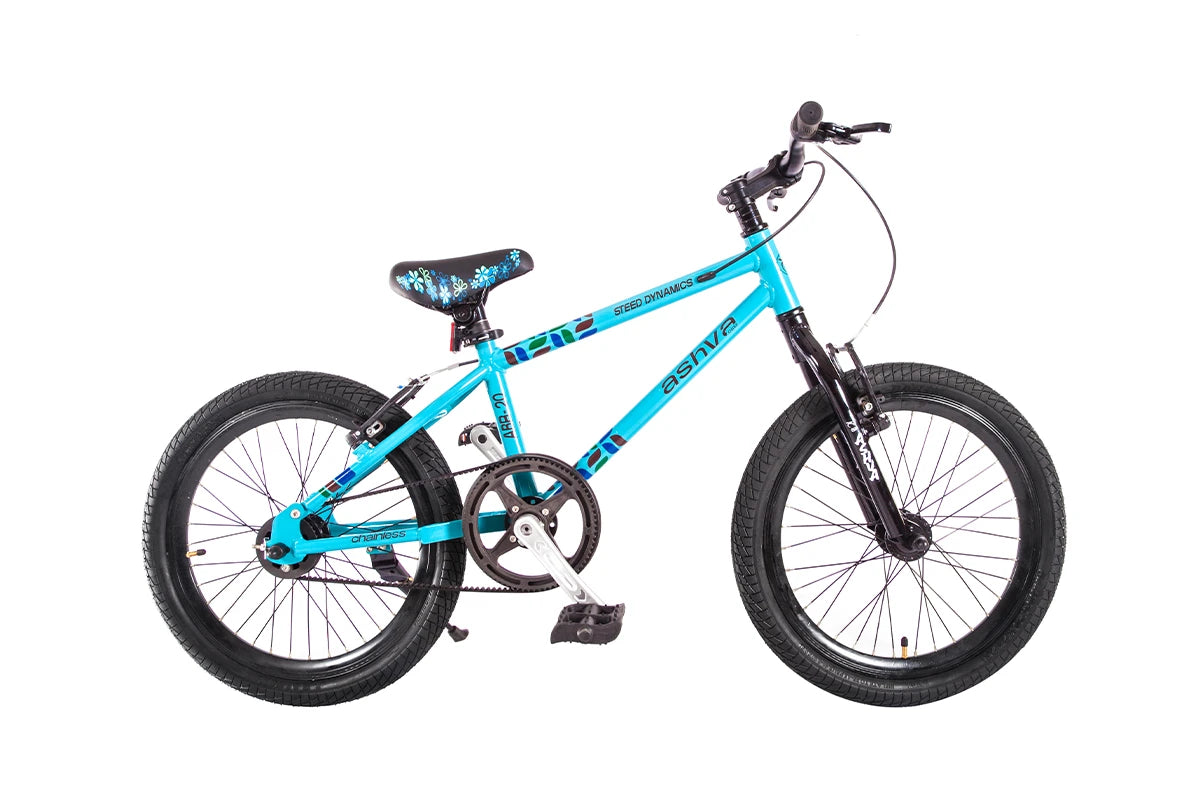
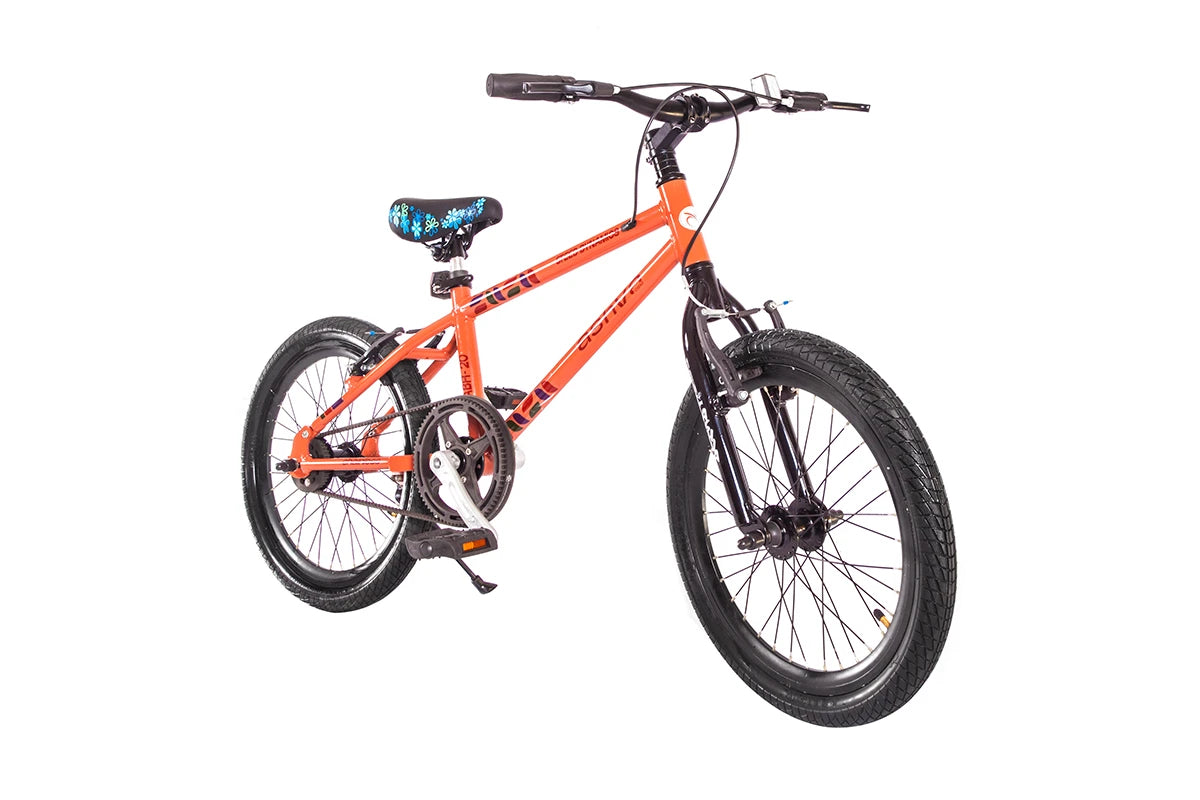
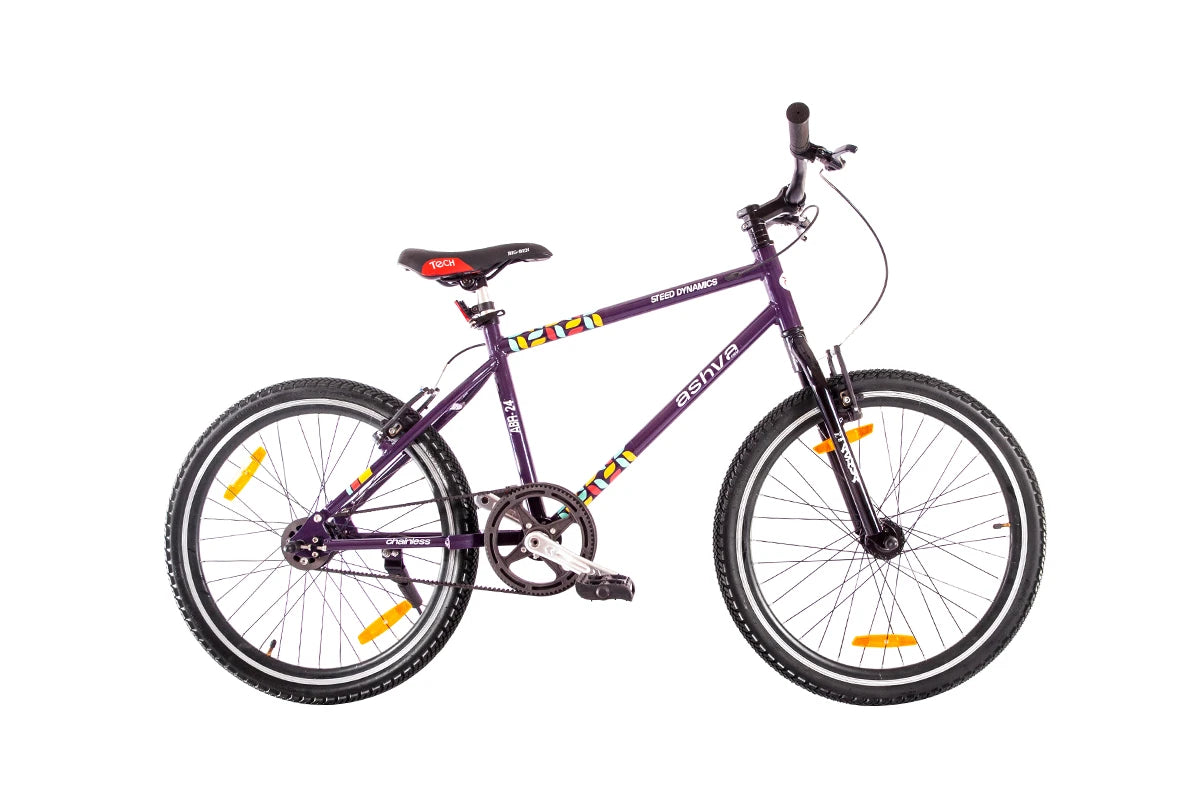
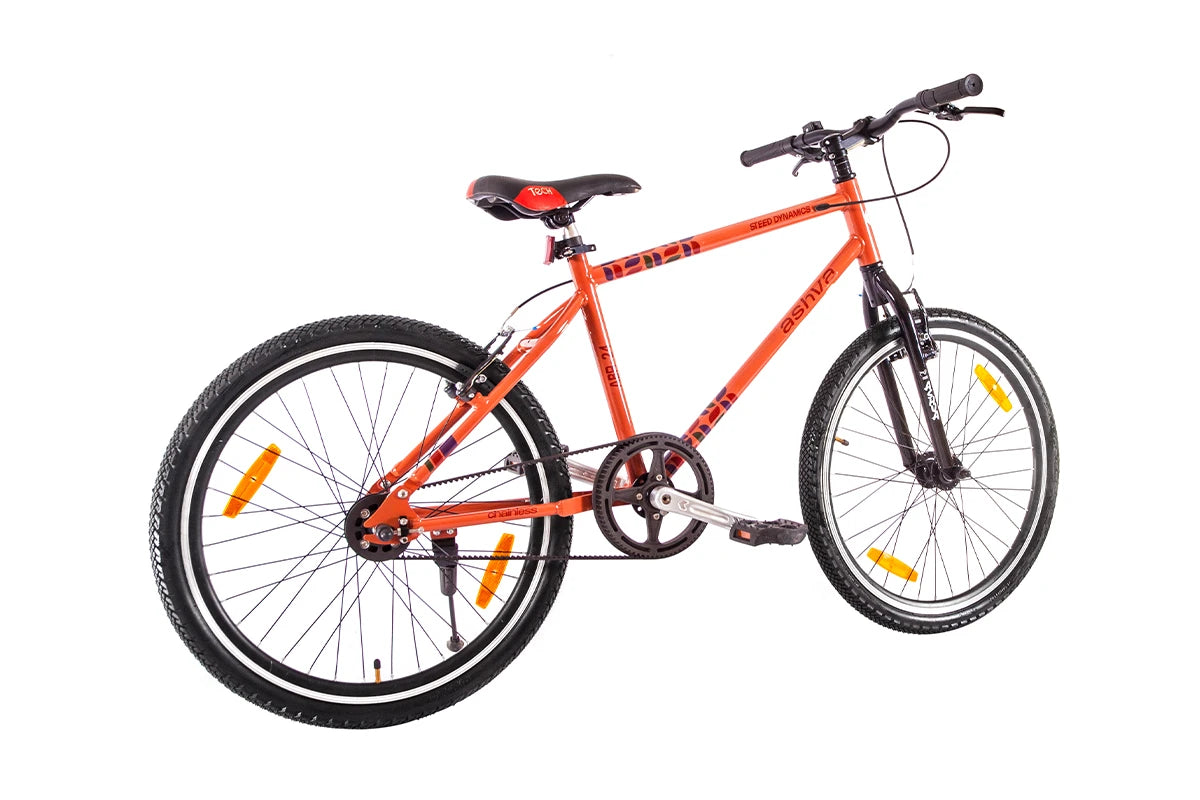
To match the advanced cycling infrastructure emerging worldwide, bicycles must evolve. Innovative manufacturers like Steed Cycles have addressed this by eliminating the traditional chain and adopting sealed, low-maintenance drive systems.
Propeller Shaft Drive: A fully enclosed system, similar to automotive driveshafts, protected from dust, rain, and grime. It requires minimal maintenance and offers long-term reliability.
Synchronous Belt Drive: Uses a carbon fiber–reinforced belt that is silent, lightweight, rust-free, and requires no lubrication—ideal for daily urban commuting.
You can explore these engineering advancements further in our overview of Steed bicycle features.
Truly Hassle-Free Riding
Chainless bicycles eliminate routine upkeep, making daily commuting as effortless as the cycling systems adopted in leading global cities.
Superior Reliability and Safety
Sealed drive systems remove the risk of sudden chain failures, ensuring a safer and more predictable ride through crowded urban roads.
Ride Clean, Arrive Clean
With no grease or oil involved, riders can commute in work attire without worrying about stains—one of the biggest barriers to everyday cycling adoption.
By 2026 and beyond:
Canada plans to fund over 800 km of protected cycling routes.
The UK aims for half of all urban trips under 3 km to be walked or cycled by 2030.
Singapore targets a 1,300 km continuous cycling network by 2030.
These developments further highlight the need for bicycles that demand less maintenance and offer long-term reliability—key advantages of chainless technology.
With chainless designs and sealed power transfer systems, Steed Cycles delivers clean, quiet, and durable urban mobility solutions. These bicycles are engineered to meet the same sustainability and performance benchmarks set by leading cycling nations worldwide.
As cities move toward a carbon-light and congestion-free future, Steed Cycles offers the ideal companion for everyday commuting—no grease, no maintenance, just motion.