
Yes, cycling can help reduce belly fat over time, depending on your health condition, consistency, and lifestyle. Several studies show that daily cycling supports overall fat loss, including abdominal fat.
Cycling helps burn calories, and fat loss begins when the body burns more calories than it consumes. When practiced regularly, cycling encourages the body to use stored fat—including belly fat—as an energy source.
Morning cycling is especially enjoyable, low-impact, and gentle on the joints. Along with regular cycling, maintaining disciplined food habits is essential for effective belly fat reduction and long-term fitness.
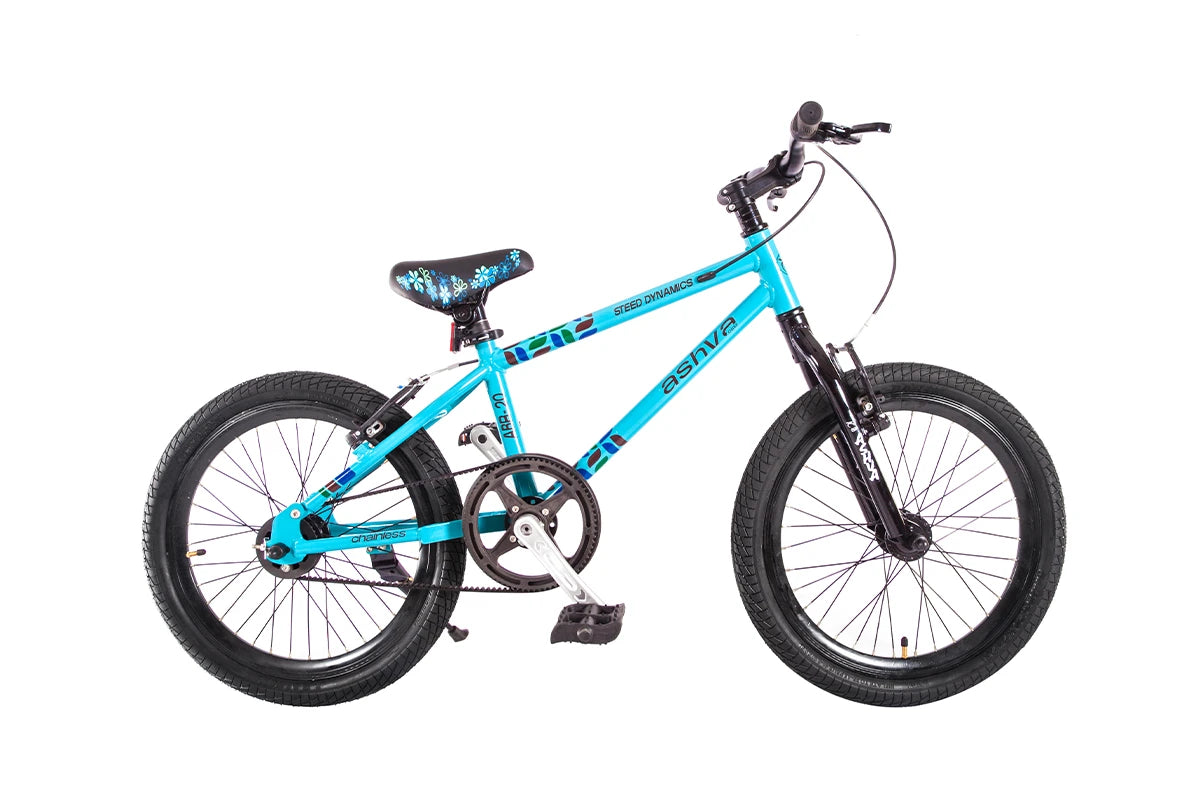
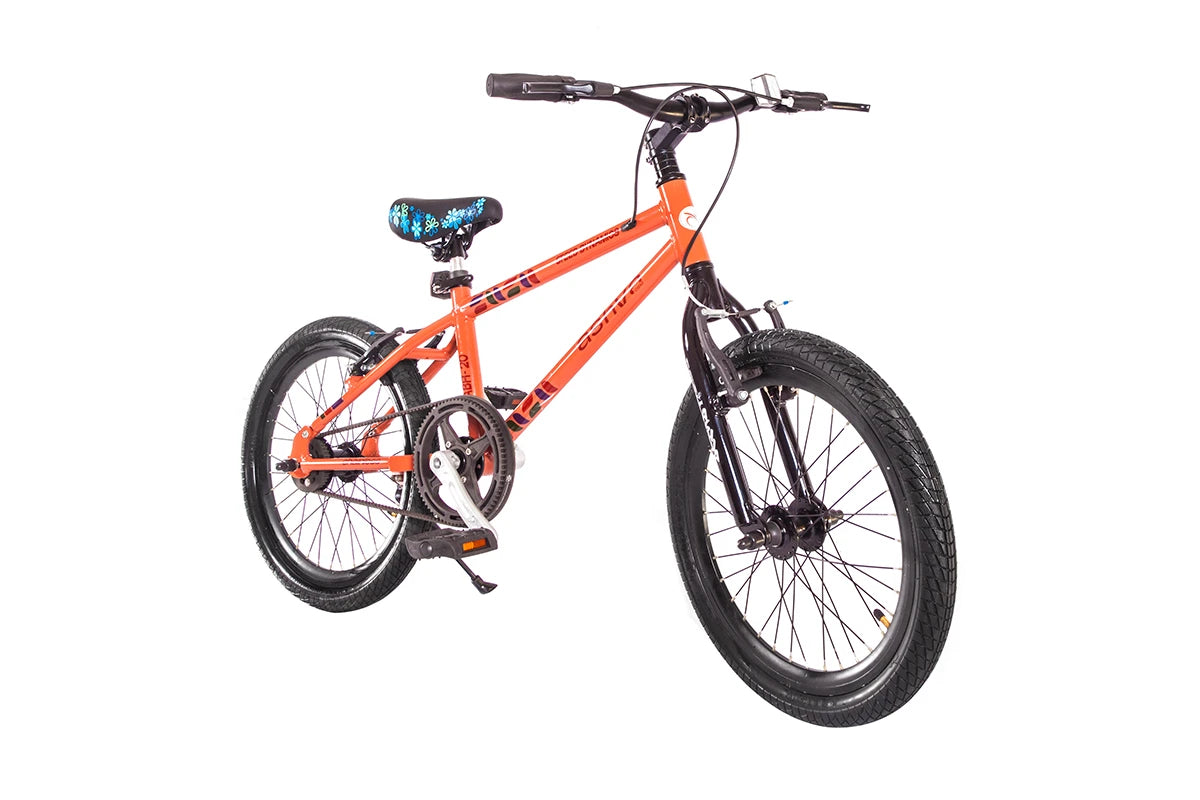
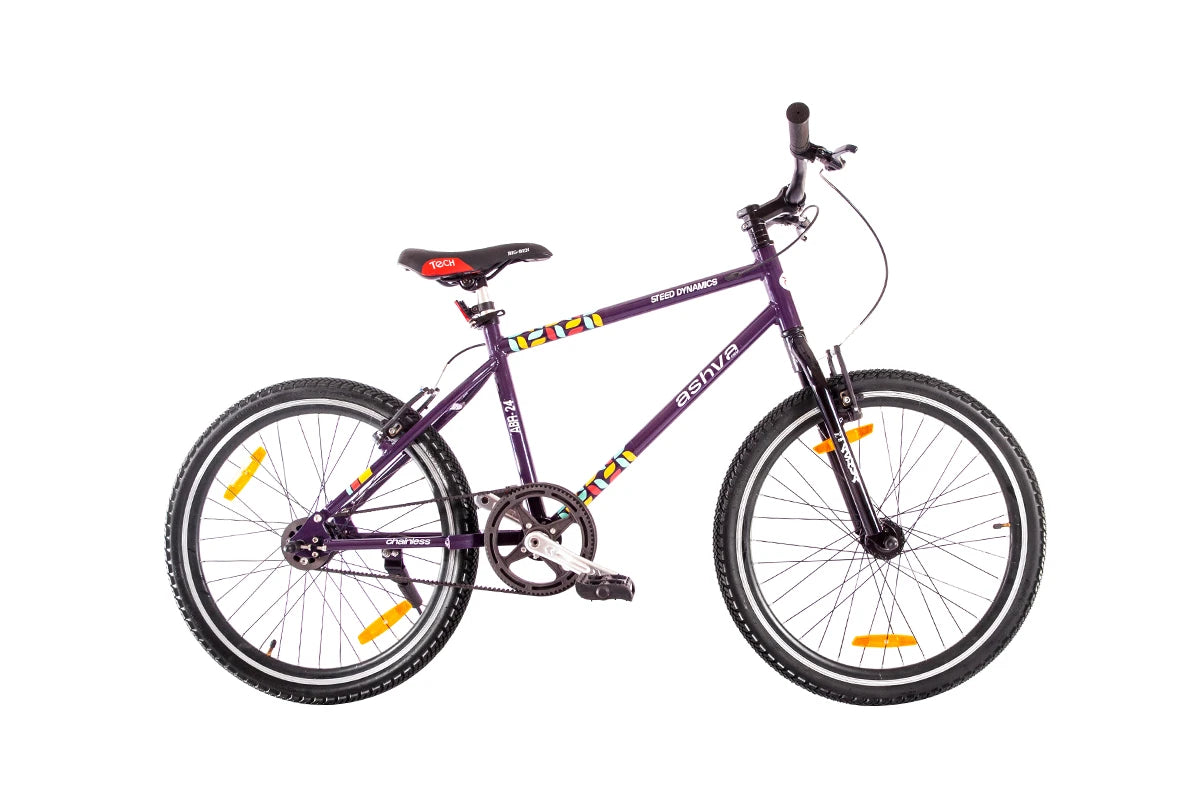
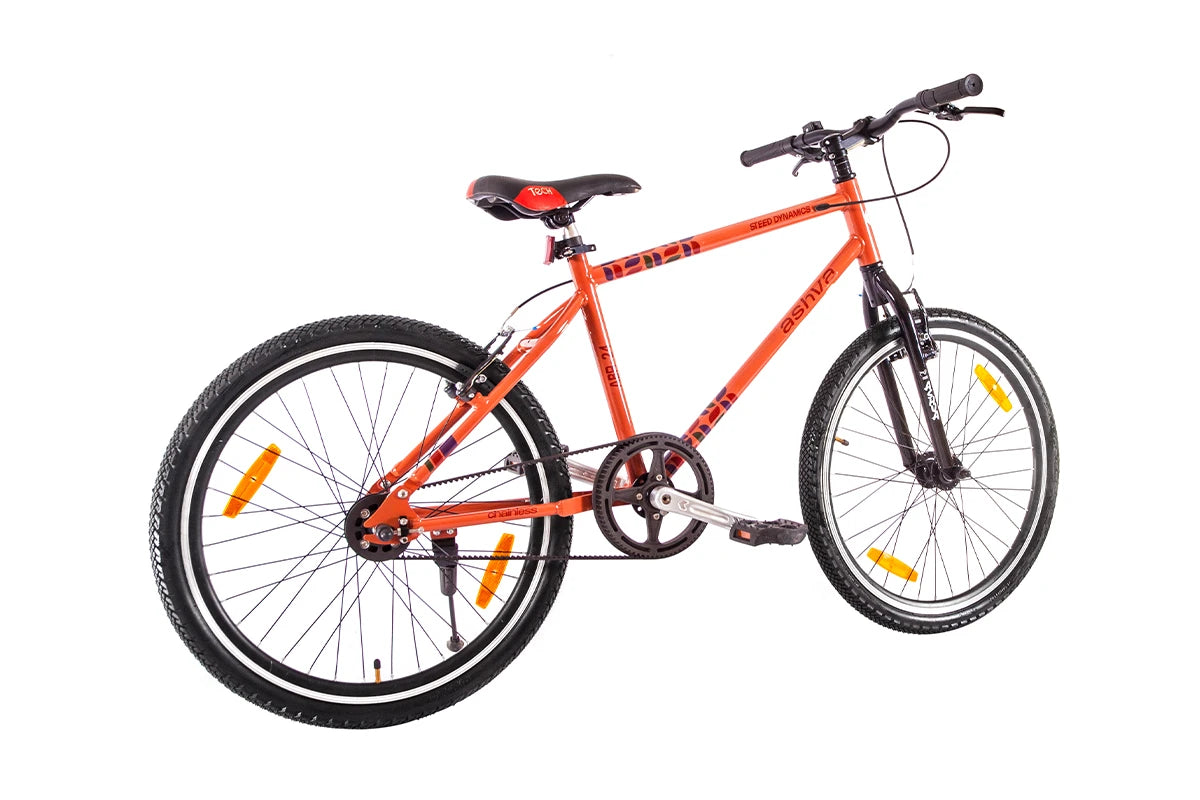
If you are starting cycling as a daily habit, choosing the right cycle matters. A comfortable, low-maintenance option like chainless bicycles can make daily riding easier and more consistent, especially for beginners.
Your shopping bag is empty
Go to the shop
Does Cycling Burn Belly Fat?
Does Cycling Burn Belly Fat?
Why Is Belly Fat More Dangerous?
Excess belly fat increases the risk of serious health issues such as high blood pressure, cholesterol imbalance, diabetes, and certain cancers. Belly fat is typically identified by a waist circumference above 30 inches for women and 40 inches for men. This fat type is particularly harmful because it surrounds internal organs and affects normal body functions.
This internal (visceral) fat is metabolically active, meaning it interferes with hormone balance and increases inflammation in the body, making it more dangerous than fat stored in other areas.
How Does Cycling Reduce Belly Fat?
Despite many myths around spot fat reduction, experts agree that fat loss happens throughout the body—not in just one area. Targeting belly fat alone is difficult, but cycling helps by improving overall body composition.
Active cycling combines endurance and strength, triggering metabolic changes that burn calories while building muscle. Regular cycling also improves metabolism, allowing the body to continue burning calories even after the ride is completed. Research supports that consistent cycling reduces total body fat, especially in individuals who are overweight or obese.
Cycling daily becomes more sustainable when the bicycle requires minimal maintenance and offers smooth performance—key reasons many riders prefer belt drive bicycles for regular fitness and commuting.
Does Cycling Reduce Belly Fat – Proven Methods
Cycling 10–15 kilometers daily, combined with a balanced diet and healthy lifestyle, leads to overall fat loss, including belly fat. Cycling is an effective aerobic exercise that burns calories and strengthens cardiovascular health.
The intensity of cycling also plays an important role. Steady-paced cycling builds endurance, while higher-intensity cycling helps burn more calories in a shorter time. Both contribute to fat reduction when practiced consistently.
Fat loss does not happen in one specific area—it occurs gradually across the body. Experts recommend at least 2.5 hours of moderate-intensity cycling per week, supported by proper nutrition, to see noticeable health benefits and weight loss. Combining cycling with strength or high-intensity workouts further improves metabolic health and fat reduction.
Beginners should start at a comfortable pace and gradually increase distance or intensity. Fat loss is not instant, and visible results depend on patience, consistency, and long-term commitment.
Consistency is key. Using a cycle that suits daily riding—especially one designed for city use and comfort—helps maintain long-term fitness habits. You can explore suitable options in our daily bicycle selection guide.
Yes, cycling does help reduce belly fat and works effectively as a gentle cardio workout. It burns calories, boosts metabolism, improves core strength, and enhances overall body shape. When paired with a sensible diet, regular cycling gradually reduces abdominal fat while improving posture and stamina.
Food habits and recovery also matter. Portion control, limiting processed foods, avoiding excess alcohol, and getting adequate sleep support healthier fat loss and hormone balance.
Beyond fat loss, cycling strengthens the heart, improves muscle tone, and builds endurance. However, spot reduction remains a myth. Real results come from a complete approach—cycling, proper diet, adequate rest, and overall physical activity integrated into daily life.