

Types of Bicycle Suspension
Modern bicycles generally use three main types of suspension systems.
1. Rigid (No Suspension)
Rigid bicycles do not have a front suspension fork or rear shock absorber.
Best for:
- Smooth city roads
- Fitness cycling
- Lightweight speed riding
Advantages:
- Very low maintenance
- Lightweight design
- More efficient power transfer on flat roads
However, rigid bikes can feel uncomfortable on rough or uneven surfaces.
2. Front Suspension (Hardtail)
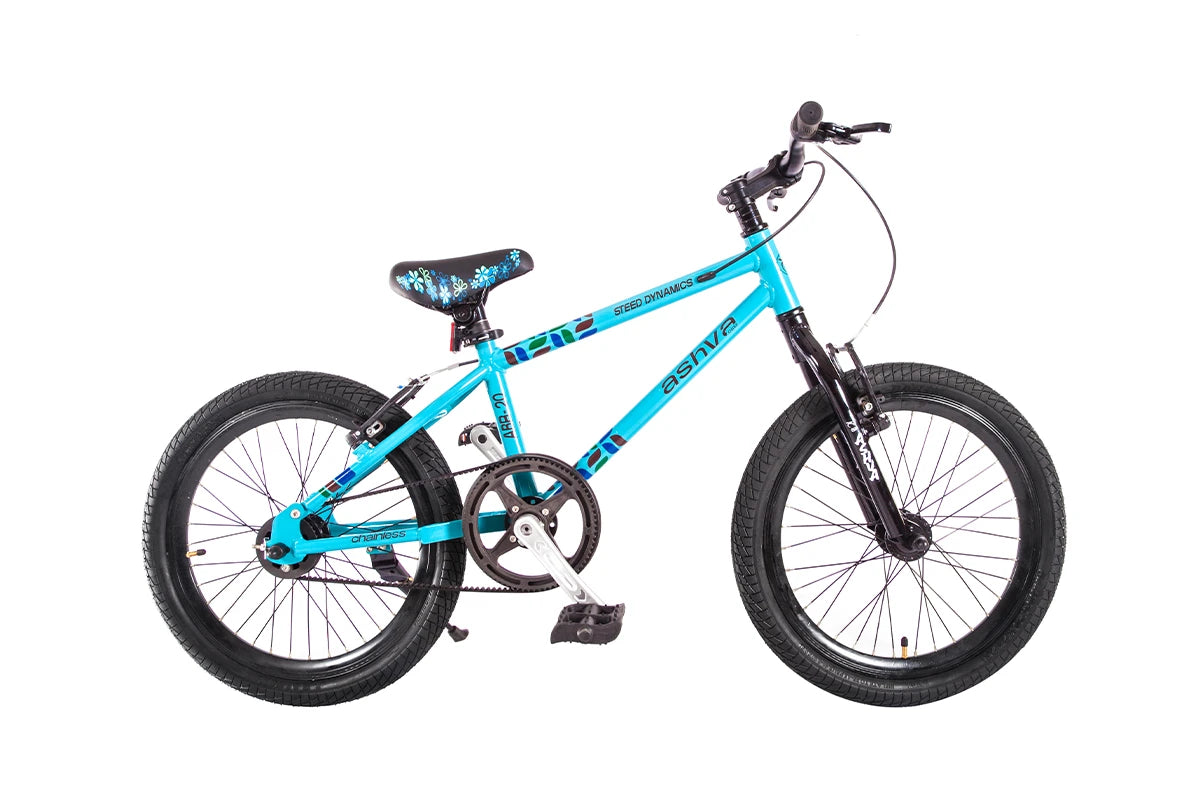
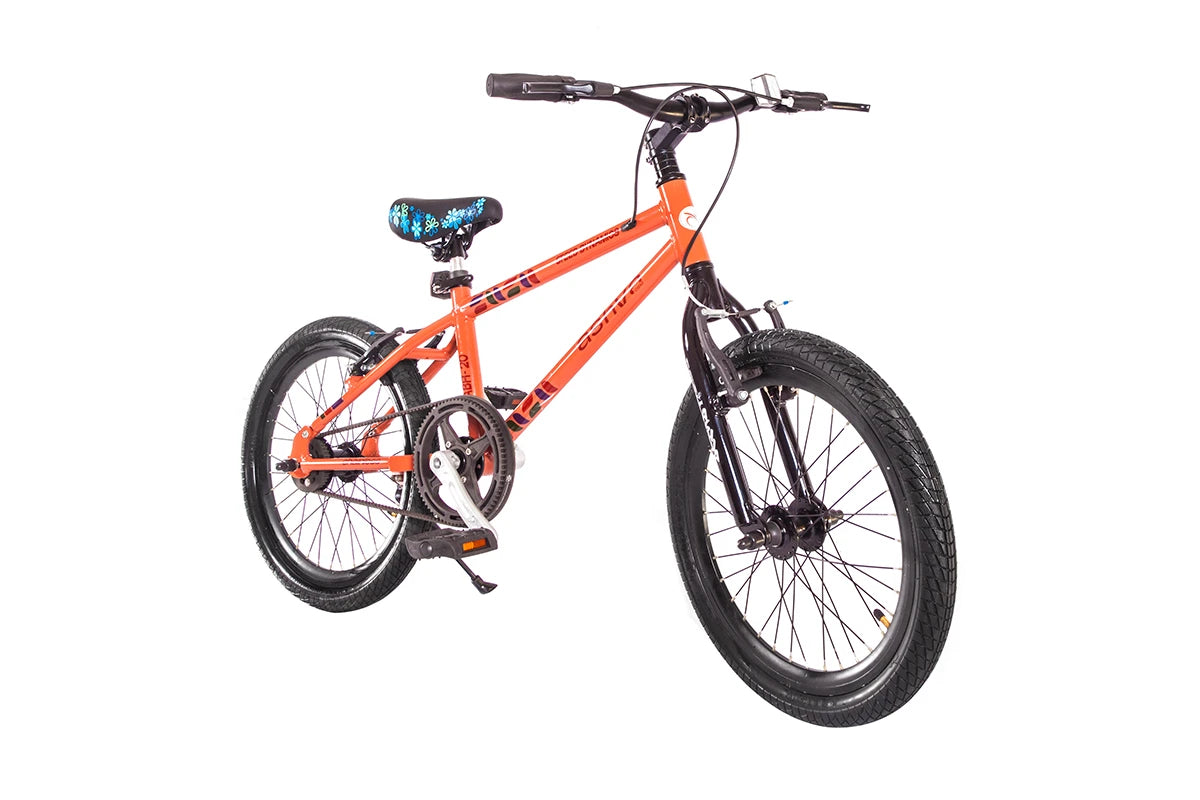
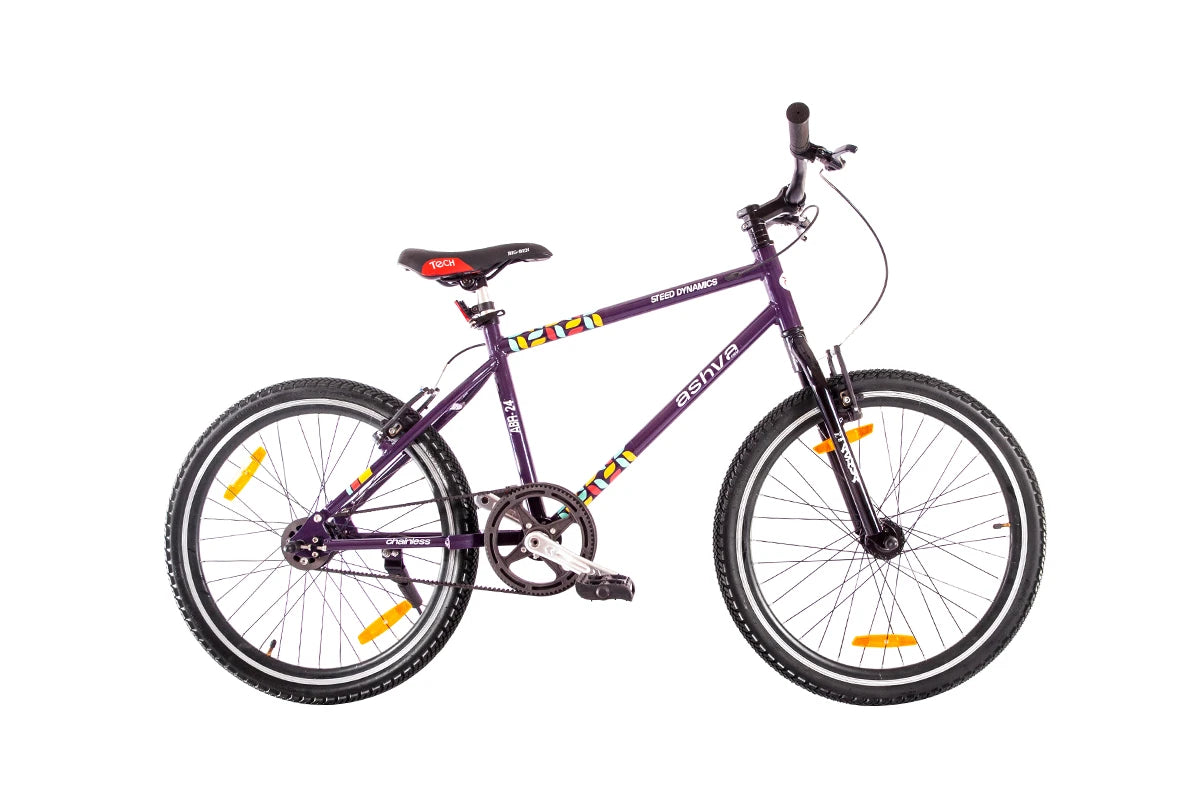
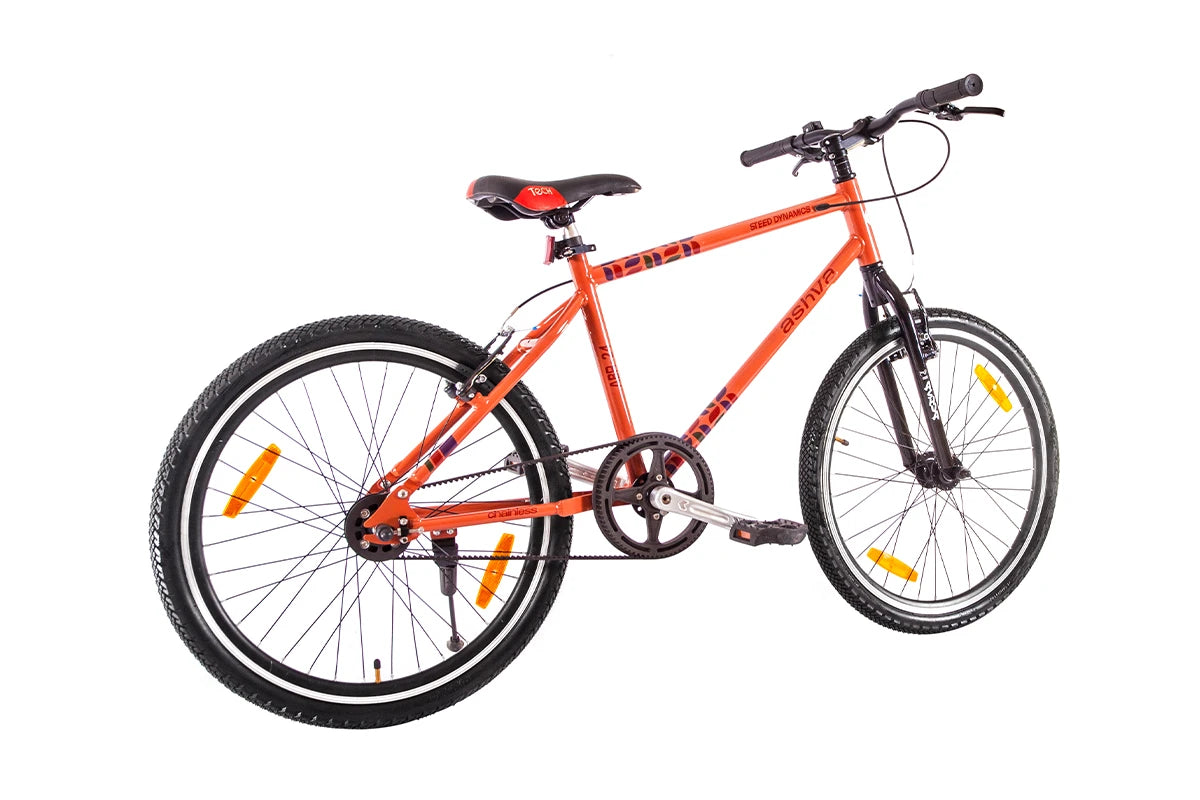
Front suspension bikes are equipped with a suspension fork on the front wheel, while the rear remains rigid.
Best for:
- City roads with potholes
- Light off-road trails
- Beginner mountain biking
Advantages:
- More comfortable than rigid bikes
- Better control on uneven surfaces
- More affordable than full suspension bikes
This is the most popular type of suspension for everyday riders.
3. Full Suspension (Dual Suspension)
A full suspension bike includes both:
- Front suspension fork
- Rear shock absorber
Best for:
- Mountain trails
- Rocky terrain
- Downhill riding
Advantages:
- Maximum riding comfort
- Superior grip and control
- Reduced fatigue on long rides
- Better stability during braking
Full suspension bikes are slightly heavier and more expensive, but they offer excellent performance on rough terrain.
Advantages of Bicycle Suspension
Here are the key benefits of riding a bicycle with suspension:
1. Enhanced Riding Comfort
Suspension absorbs road impact, reducing strain on wrists, shoulders, and lower back.
2. Improved Control & Stability
When tyres stay in contact with the ground, steering and braking become more precise.
3. Reduced Rider Fatigue
Less vibration means you can ride longer without discomfort.
4. Safer Braking
Suspension improves traction, especially during sudden stops on uneven roads.
5. Greater Confidence on Rough Roads
You can ride comfortably over potholes, gravel, and speed breakers.
How Suspension Improves Riding Comfort
Riding comfort depends on how effectively a bicycle absorbs vibrations and handles rough terrain.
Without Suspension:
- Every bump sends a jolt directly to your body.
- Hands, shoulders, and back become tired quickly.
- Control decreases on uneven surfaces.
With Suspension:
- Impacts are absorbed before reaching the rider.
- Body posture remains stable.
- Muscle fatigue is reduced during daily rides.
For Indian road conditions, front suspension is usually sufficient for daily commuters, while full suspension is ideal for trail riders.
Suspension Comparison Table
| Feature | Rigid | Front Suspension | Full Suspension |
|---|---|---|---|
| Comfort | Low | Good | Excellent |
| Weight | Light | Moderate | Heavier |
| Maintenance | Very Low | Low | Moderate |
| Cost | Affordable | Mid-range | Higher |
| Best For | Smooth Roads | Mixed Roads | Trails & Rough Terrain |
Final Thoughts
Bicycle suspension is not only for professional riders. It plays a crucial role in comfort, safety, and performance.
From rigid frames to front suspension and full suspension systems, each type is designed for specific riding conditions. Understanding the different types of bicycle suspension and their advantages helps you choose the right bike based on your terrain and riding style.
The right suspension setup ensures a smoother, safer, and more enjoyable cycling experience.